CPAP/BiPAP
About OSA
Obstructive Sleep Apnea is when a person stops breathing repeatedly during sleep. Breathing stops because the airway collapses and prevents air from getting into the lungs. Sleep patterns are disrupted, resulting in excessive sleepiness or fatigue during the day.
Extra tissue in the back of the airway such as large tonsils can cause this. The tongue falling back and closing off the airway or even a decrease in the tone of the muscles holding the airway open can all lead to a collapsed airway.
If left untreated, you are at an increased risk for high blood pressure, heart disease, heart attack, stroke, fatigue-related motor vehicle and work accidents, and a decreased quality of life.
- Snoring, interrupted by pauses in breathing
- Gasping or choking during sleep
- Restless sleep
- Excessive sleepiness or fatigue during the day
- Large neck size (greater than 17″ in men, 16″ in women)
- Crowded airway
- Morning headache
- Sexual dysfunction
- Frequent urination at night
- Poor judgement or concentration
- Irritability
- Memory loss
- High blood pressure
- Depression
- Obesity
CPAP (pronounced “see-PAP”). Other less common treatments include surgery and oral appliances, which may be effective in certain individuals. Any treatment should include weight loss (if needed), exercise, and avoidance of alcohol, sedatives, and hypnotics.
PAP stands for Positive Airway Pressure. Three types of therapy are available, depending on your individual needs:
CPAP – Continuous Positive Airway Pressure
BiPAP – Bilevel Positive Airway Pressure
AutoPAP – Automatically adjusting Positive Airway Pressure
CPAP treats Obstructive Sleep Apnea (OSA) by providing a gentle flow of positive-pressure air through a mask to splint the airway open during sleep. Breathing becomes regular, snoring stops, and restful sleep is restored. Patients report an improvement in their overall quality of life. Risk for high blood pressure, heart disease, heart attack, stroke, and motor vehicle and work accidents is reduced.
Supplies
It is important to your sleep therapy to maintain and replace your CPAP supplies. CPAP supplies are disposable. Much like your toothbrush, your supplies need regular replacement. The materials the supplies are made of begin to break down and deteriorate with frequent use. As your supplies break down, your sleep therapy may be affected.
Most insurance plans allow for the replacement of CPAP supplies based on a set replacement schedule. If you have questions concerning your insurance plan’s replacement schedule, please call our Supply Team at 716.667.9600 (option 2). We will conveniently ship your supplies to your door
Most Insurance Plans Recommend the Following CPAP Supply Replacement Schedule:
|
Item:
|
Replacement Schedule:
|
|---|---|
|
Disposable Filter
|
2 per month
|
|
Non-disposable Filter
|
1 every 6 months
|
|
Tubing (Heated or non-heated)
|
1 every 3 months
|
|
Full Face Mask
|
1 every 3 months
|
|
Nasal Mask
|
1 every 3 months
|
|
Full Face Cushion
|
1 per month
|
|
Nasal Mask Cushion
|
2 per month
|
|
Headgear
|
1 every 6 months
|
|
Chinstrap
|
1 every 6 months
|
|
Humidifier Water Chamber
|
1 every 6 months
|
Disposable Filter
2 per month
Non-disposable Filter
1 every 6 months
Tubing (Heated or non-heated)
1 every 3 months
Full Face Mask
1 every 3 months
Nasal Mask
1 every 3 months
Full Face Cushion
1 per month
Nasal Mask Cushion
2 per month
Headgear
1 every 6 months
Chinstrap
1 every 6 months
Humidifier Water Chamber
1 every 6 months
*Depending on your insurance coverage, copayments and deductibles may apply.
**These are recommended replacement guidelines. Coverage by insurance company may vary.
Machines
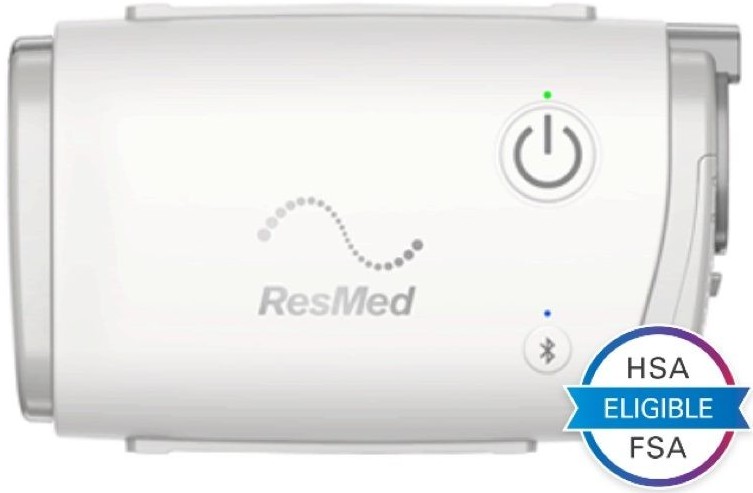
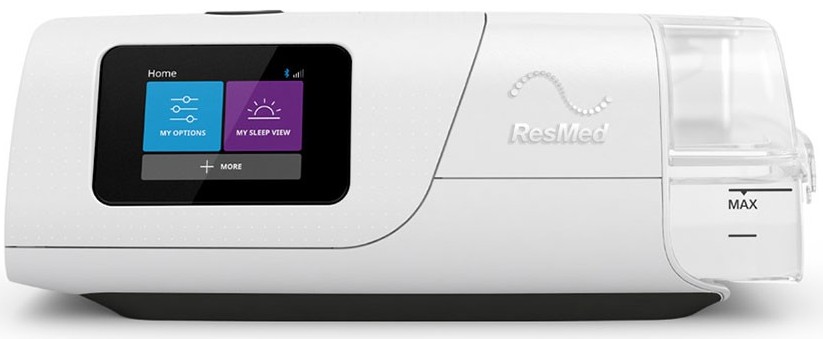
ResMed AirMini Portable CPAP
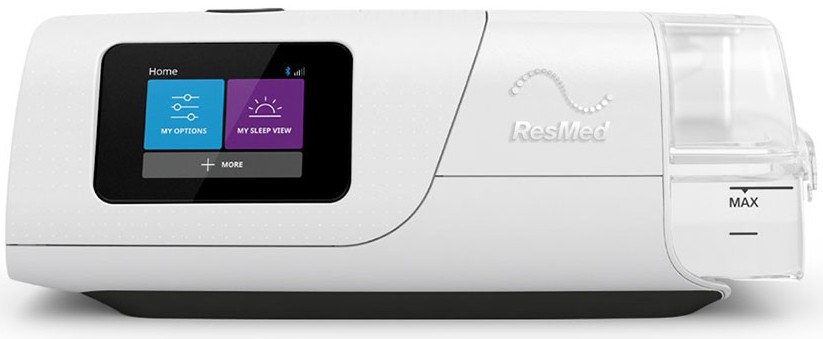
ResMed AirSense 11 Autoset
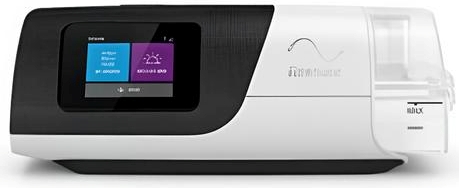
ResMed AirCurve 11 Vauto
ResMed AirCurve 11 ASV
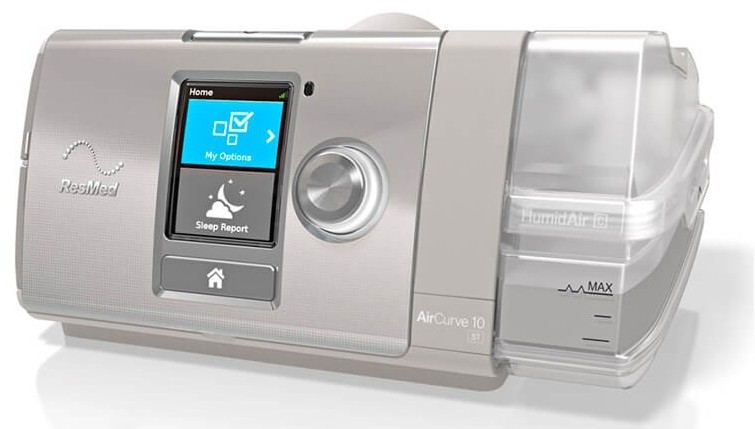
ResMed AirCurve 10 ST
Troubleshooting
We realize CPAP therapy can be a difficult adjustment. Our team of Respiratory Therapists is here to assist you through that transition. We ask that you allow yourself time to become accustomed to the therapy.
In order to succeed, it is essential to apply the therapy every night. If you experience any of the following problems, please follow the suggestions or call our office if assistance is required (Respiratory Therapy Department 716.667.9600 option 5).
This may signal inadequate humidity is being provided. Nasal congestion or a runny nose can be the body’s attempt to compensate for the dryness by flushing fluid to the area. Slowly increase your humidity level.
Please note: a very small percentage of people react to high heat levels which could create more congestion. The range is available to allow you to adjust to your most comfortable setting. If you try the higher heat settings with no success, try the lower settings.
First, try increasing the heat level on your humidifier. You may be breathing through your mouth or leaking a small amount of air through your mouth. If you are wearing a nasal mask, contact our office to discuss changing to a full face mask. If you are already on a full face mask, an oral lubricant may help (e.g. Biotene, which may be purchased at your local drug store).
If you are using your therapy nightly for a minimum of 4 hours a night, you will usually notice a decrease in your feeling of fatigue. You may notice this decrease as soon as the first night you start using your new therapy. But it may take as long as a month, depending on the duration and severity of your OSA.
You may be adjusting to the feeling of pressure resistance on exhalation; give yourself time to adjust to the therapy. After a period of time, if this feeling continues, contact our Respiratory Therapy Department for assistance.
You are probably swallowing air. Limit yourself to using only one pillow while you sleep. If this does not correct the problem, contact our Respiratory Therapy Department.
If you have just started therapy, give yourself a little time to see if your body will adjust. Sometimes people will begin to breath through their nose to avoid the high air flow caused when opening their mouth.
The marks could be from dry skin irritation from the mask material.
Too much pressure can cause pressure sores on the face. Please refer to your mask fitting guide for the correct application of your mask. Be sure to use the minimal amount of tightening needed to obtain a good seal.
A mark at the bridge of the nose may go away after a short period of time if you loosen the headgear and apply a cushioned band-aid to the area.
If these suggestions do not correct the problem, please contact our Respiratory Therapy Department.
If you continue to snore while on your therapy, please contact our Respiratory Therapy Department.
Use an hour each night, slowly working up to a full night’s use by applying the therapy more and more every night. After one week if you see no improvement, please contact our Respiratory Therapy Department.
You may not be receiving enough humidity and your body may be trying to compensate by flushing fluid to your nose which can create inflammation or congestion. Increase your heater temperature to increase your humidity.